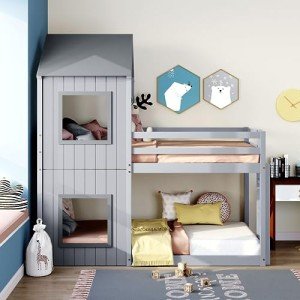
The Ultimate Guide to Bunk Beds in the UK: Trends, Safety, and Benefits
Bunk beds have actually ruled supreme on the planet of children's furniture for numerous years. Their double performance, ability to save space, and special beauty have made them a preferable option for families throughout the UK. As households grow and space becomes a premium, bunk beds develop to meet numerous needs, aesthetics, and security concerns. This short article explores the patterns, benefits, safety concerns, and factors to consider of purchasing bunk beds in the UK.
Tabulation
- Introduction
- Popular Bunk Bed Designs
- Benefits of Bunk Beds
- Safety Considerations
- Maintenance of Bunk Beds
- FAQs
- Conclusion
1. Intro
Originally created for making the most of space in small bedrooms, bunk beds have actually grown to encompass a variety of styles and functionalities. From conventional wood designs to modern loft beds with incorporated storage, the marketplace in the UK provides a huge selection of choices for parents and kids alike. This flexibility appeals not only to those with space restrictions but also to families looking for stylish furniture that can accompany kids as they grow.
2. Popular Bunk Bed Designs
Bunk beds come in a wide variety of styles dealing with various tastes and requirements. Here are some popular styles discovered in the UK market:
| Design Type | Description |
|---|---|
| Conventional Wooden | Classic design; offered in numerous finishes; tough and ageless. |
| Metal Bunk Beds | Lightweight, frequently with a modern or industrial look; simple to move. |
| Loft Beds | Raised beds that supply underneath space for desks, storage, or play. |
| Futon Bunk Beds | A mix of a futon and bunk bed; perfect for multi-purpose spaces. |
| L-Shaped Bunk Beds | Two beds positioned in an L-shape; great for optimizing corner spaces. |
3. Benefits of Bunk Beds
Buying a bunk bed offers several advantages:
- Space-saving: Bunk beds are ideal for small bedrooms, allowing two kids to share a room without compromising space.
- Versatility: Many bunk beds come with functions such as pull-out trundles, desks, or storage drawers, making them multifunctional.
- Motivates Sharing: Bunk beds can promote a sense of companionship and sharing amongst brother or sisters or good friends.
- Trendy Aesthetics: With numerous designs readily available, bunk beds can act as an elegant addition to a bedroom instead of merely a practical furniture piece.
- Economical: Instead of buying two beds, a bunk bed allows for more cost-effective use of space while accommodating more children.
4. Safety Considerations
When it pertains to bunk beds, safety is critical, specifically for younger kids. Here are some important safety ideas:
- Choose tough building and construction: Look for bunk beds made from solid wood or durable metal to ensure durability.
- Guarantee correct height: The top bunk needs to comply with safety requirements, normally having at least 16 inches of guardrail on the side.
- Check weight limits: Ensure the bunk bed supports the weight of the designated users easily.
- Use the right bed mattress: Use mattress sizes that fit snugly within the bed frame to avoid gaps where a kid might become caught.
- Establish guidelines: Make sure kids comprehend the guidelines of bed use, such as no jumping and only one individual on the leading bunk.
5. Maintenance of Bunk Beds
Bunk beds need regular maintenance to ensure they stay safe and functional. Here are some upkeep ideas:
- Regularly check hardware: Check screws and bolts to ensure they stay tightly attached and secure.
- Clean mattresses: Regularly vacuum and spot tidy mattresses to maintain health.
- Prevent overcrowding: Make sure the bed is not overloaded with toys, clothes, or other products.
6. Frequently asked questions
Q1: What age is appropriate for children to oversleep bunk beds?A1: Most
specialists recommend that kids under the age of 6 should not sleep on the top bunk due to safety issues relating to falls.
Q2: Can bunk beds suit any room size?A2: While bunk beds
are created to save space, they still need enough ceiling height for safety. Normally, a room should have at least 7.5 to 8 feet of ceiling height. dawnosborne.uk : Are bunk beds safe for toddlers?A3: While some bunk beds are developed specifically for toddlers,
the majority of professionals recommend that kids under the age of 6 need to use the bottom bunk for security. Q4: How do I clean up a bunk bed?A4: Regular cleaning can be done using a damp fabric for the wooden or
metal surface areas. Bed mattress must
be vacuumed and cleaned up according to maker directions. 7. Conclusion Bunk beds have become an iconic furniture piece for kids's spaces in the UK, using a best mix of performance, style, and space-saving abilities. With different styles and advantages, bunk beds accommodate families of all sizes and requirements. Nevertheless, safety should always be top of mind when thinking about these kinds of beds. By making informed options and keeping your bunk bed appropriately, you can guarantee that it remains a cherished furniture piece for years to come. As bunk beds continue to develop, they use more than simply a sleeping arrangement-- they create memories and foster relationships, showing to be a vital addition to British
homes. This comprehensive guide aims to arm potential purchasers with valuable insights into the world of bunk beds in the UK, ensuring that they make notified options that prioritize both functionality and safety.